
As more of our daily lives move online, tiny transactions are becoming surprisingly powerful. But what is micropayment exactly? How does it work, and why does it matter? This guide explains what is micropayment in detail, offering practical insights for users, creators, and businesses.
What Is Micropayment?
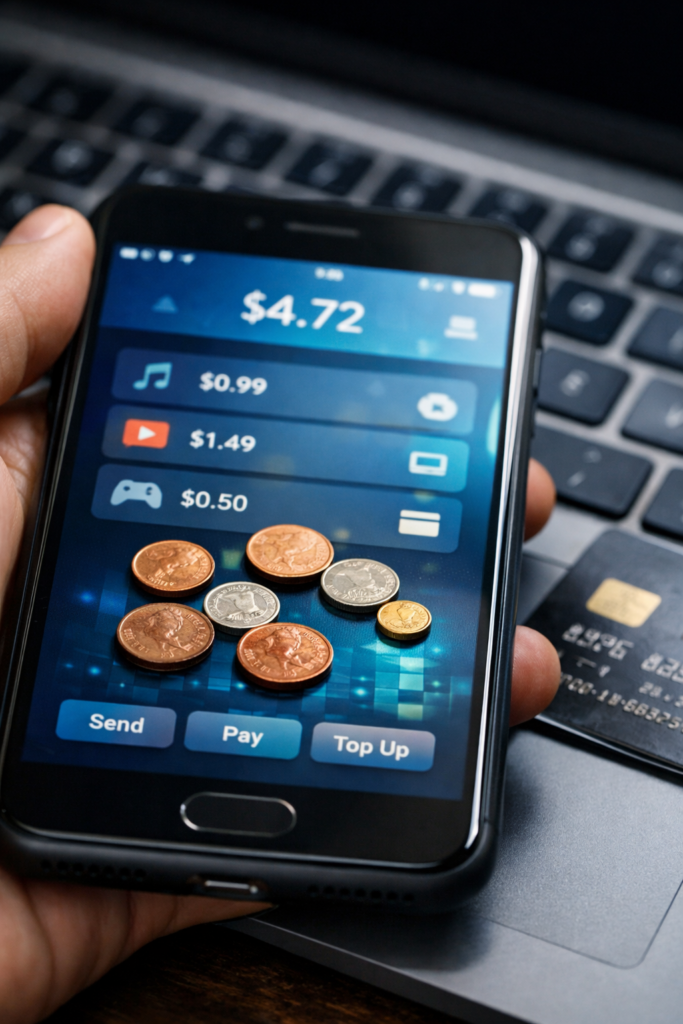
A micropayment is a financial transaction involving a very small sum of money, typically online. While there is no universal threshold, micropayments are usually less than $5. They allow consumers to pay for single pieces of digital content, in‑app purchases, or other microservices without committing to a subscription or large payment. (Wikipedia – Sandbox Payment Systems)
Understanding what is micropayment is important for seeing how it enables monetization on a granular level, such as tipping creators, buying individual articles, or paying for small digital items.
How Do Micropayments Work?
Traditional payment systems are often inefficient for very small amounts because fixed transaction fees can outweigh the payment itself. To overcome this, micropayment platforms use methods such as:
- Aggregated Wallet Payments – Collecting multiple small payments into one larger transfer to reduce fees.
- Prepaid Accounts – Users load funds in advance, which are then deducted per transaction.
- Blockchain & Cryptocurrency Solutions – Using decentralized networks to minimize fees and settle micropayments efficiently. (Cointelegraph)
These systems ensure that tiny transactions are cost-effective for both consumers and businesses, making what is micropayment not just a concept but a practical tool for modern commerce.
Why Micropayments Matter

1. Flexible Consumer Spending
What Is Micropayment? Micropayments allow users to pay only for what they consume, creating a pay-as-you-go model for digital content. For example, instead of subscribing to an entire service, users can pay a small amount for a single article or game item. This approach is discussed in platforms like Micropayment Platforms Korea Are Quietly Rewriting Everyday Spending.
2. New Revenue Models for Creators
Artists, writers, and game developers can earn directly from individual works. Micropayments reduce reliance on ads and subscriptions while rewarding high-quality content. Learn more about monetization strategies in The 10 Hottest Gift Cards to Resell in 2025, which highlights creative ways small transactions can generate revenue.
3. Global Accessibility
Micropayments can help bring digital services to underbanked regions by lowering financial barriers. Users who may not have credit cards or full accounts can still access digital content through small, manageable payments. For a practical example of micropayments’ role in small-scale transactions, check Micropayment-Anbieter 2025: Great Strategic Market Overview.
Common Use Cases Today
- Paying a few cents for a single news article or video
- Tipping content creators on streaming platforms
- In-game purchases such as skins or special items
- Micro-donations for charity or crowdfunding campaigns
- Pay-per-use software or services
These use cases highlight the flexibility of micropayments in enabling granular, user-friendly financial interactions.
Challenges in Micropayments
While micropayments are transformative, they come with obstacles:
- Transaction Costs: Traditional payment processors charge fees that can exceed the value of a micropayment.
- Security Risks: Handling small transactions securely requires a robust infrastructure to prevent fraud. (LegalClarity)
- Adoption Barriers: Consumers and businesses must understand and trust the system to use it regularly.
Efficient micropayment systems, including blockchain solutions, wallets, and prepaid models, are helping overcome these barriers.
How Micropayments Differ from Traditional Payments
| FEATURE | MICROPAYMENT | TRADITIONAL PAYMENT |
| Transactional Size | Very small (often <$5) | Moderate to large |
| Fee structure | Digital content, in-game items, and tipping | Retail, subscription, services |
| Adoption | Emerging tech, specialized platforms | Widespread, standard banks |
| Examples | Tipping a creator, purchasing a single song | Paying for groceries |
This comparison shows that micropayments complement rather than replace traditional payments, particularly for online, digital-first experiences.
Conclusion
Understanding what is micropayment is essential in today’s digital economy. By enabling small, efficient, and flexible transactions, micropayments empower consumers, creators, and businesses alike. From tipping content creators to reselling gift cards or accessing microservices, these tiny payments are shaping the future of digital commerce.
For a deeper understanding of everyday micropayment trends, visit authoritative references such as Wikipedia – Micropayment and Cointelegraph’s Micropayment Guide
